Source Biodegradable Christmas Tree Flock for Eco Homes
Find 30 listings for biodegradable christmas tree flock materials suitable for indoor and outdoor decoration. Compare specifications like height, packing, and customization options to identify the right eco-friendly supplies for your seasonal needs; compare the available evidence and request quotations based on your requirements.
Key considerations
Products List







Comprehensive Sourcing Guide
Biodegradable Christmas Tree Flock Sourcing Guide
Procuring artificial Christmas tree components requires distinguishing between genuine biodegradable materials and standard plastic alternatives, as the supplied data indicates a mix of PE and plastic compositions rather than fully biodegradable flock. Buyers must verify if the "Eco-Friendly" feature refers to the manufacturing process or the material composition, noting that observed listings include standard PE plastic trees alongside items labeled for indoor and outdoor use. This distinction is critical because the core keyword implies a specific environmental attribute that may not be universally present in the current market inventory of 30 observed products.
The sourcing strategy should focus on suppliers who explicitly define their material composition, as the provided facts list both "Plastic" and "PE" without confirming biodegradability for all items. Buyers should prioritize inquiries regarding the specific polymer type and any additives used to enhance environmental claims, ensuring that the "Self-Adhesive" or "Hinged Branches" features do not compromise the intended sustainability profile. Understanding these material nuances prevents the procurement of standard plastic trees that merely carry an eco-friendly label without meeting the rigorous definition of biodegradable flock.
Product Scope and Observed Listing Signals
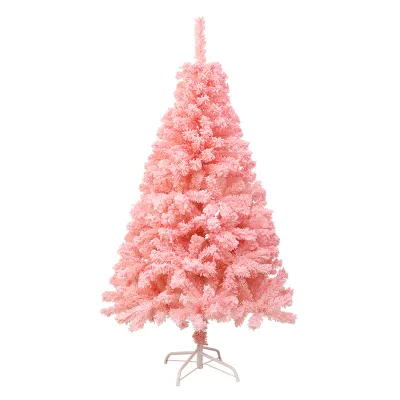
The observed product range spans from 60cm to 150cm heights, with specific models like SF001, SF002, and SYTA-0723140 indicating a diverse inventory of Christmas trees and decorations. Listings show varying applications, including indoor and outdoor suitability, which suggests that flocking or tree components must withstand different environmental conditions depending on the intended use case. Buyers should analyze the "Branch Type" and "Decoration" attributes, such as pre-lit options, to ensure the selected product aligns with the specific display requirements of their target market.
Commercial signals reveal a wide MOQ range from 1 to 1000 units, with some specific models requiring a minimum of 200 pieces, indicating flexibility for both small retailers and large distributors. The packaging data, ranging from 1kg PP bags to strong brown cartons, highlights the need for careful logistics planning to prevent damage during transit. Procurement teams must evaluate the "Single Gross Weight" and "Single Package Size" to optimize shipping costs, as these factors directly impact the total landed cost of the inventory.
Technical Specifications to Verify
Technical verification must begin with the material composition, as the data lists both "Plastic" and "PE" without a unified biodegradable standard. Buyers should request detailed chemical specifications to confirm if the flocking or tree needles are derived from biodegradable polymers rather than conventional polyethylene. The "Bulk Density" range of 0.2-0.4g/cm3 and "Moisture Content" of less than 10% are critical parameters that affect the tree's structural integrity and resistance to mold in humid environments.
Dimensional consistency is another vital technical aspect, with observed standards including 120cm, 150cm, and 60cm heights alongside specific package dimensions like 11527.532.5cm. The "Surface Treatment" of plating and the "Branch Type" of hinged branches require verification to ensure they meet durability expectations for repeated assembly and disassembly. Buyers should validate that the "Power Source" remains non-power for the base structure while confirming the compatibility of any pre-lit electrical components with local safety standards.
Compliance and Safety Documentation
Compliance verification is essential given the mixed nature of the product attributes, where some items are marked as "Customized" while others are "Non-Customized." Buyers must ensure that any "Eco-Friendly" claims are backed by recognized third-party certifications, as the observed data mentions BSCI and SGS certificates but does not explicitly link them to biodegradability. It is crucial to request specific test reports that validate the environmental claims, ensuring that the materials do not release harmful substances when disposed of or degraded.
Safety documentation must also address the intended user demographics, as the data lists suitability for adults, men, and children. Products intended for children require stricter adherence to safety standards regarding small parts and flammability, especially if the trees are pre-lit or have decorative elements. Procurement teams should verify that the "Loading Port" of Ningbo Port and the "Payment" terms align with the supplier's ability to provide comprehensive safety data sheets and compliance certificates for all exported units.
Cost Drivers and Commercial Terms
Cost structures are heavily influenced by the customization options, with the data showing both "Customized" and "Non-Customized" availability alongside "Logo Printing" options. Buyers should anticipate higher unit costs for customized models that include specific branding or unique structural features like hinged branches, while standard models may offer more competitive pricing. The "OEM & ODM" acceptance indicates that suppliers are willing to tailor products, which can increase costs but also adds value through brand differentiation.
Commercial terms vary significantly, with observed MOQs ranging from 1 to 1000 units and specific requirements like 200 pieces for certain models. Payment methods including TT, LC, and West Union offer flexibility but may carry different risk profiles for the buyer. Logistics costs are driven by the "Single Gross Weight" of 8kg and package dimensions, requiring careful calculation of container loading efficiency to minimize freight expenses. Buyers should negotiate based on the total landed cost rather than just the unit price to ensure profitability.
Supplier Qualification and Quality Control
Supplier qualification should prioritize those with verified origins in China and Zhejiang, as these locations are noted in the product data. Buyers must assess the supplier's capacity to handle both customized and non-customized orders, ensuring they can maintain consistent quality across different production runs. The presence of BSCI and SGS certifications suggests a baseline of social and quality compliance, but buyers should conduct their own audits to verify these claims and ensure the supplier's manufacturing processes align with their ethical standards.
Quality control protocols must address the variability in product attributes, such as the different heights and materials observed in the listings. Implementing a rigorous inspection plan that checks for material consistency, structural integrity of hinged branches, and the accuracy of packaging specifications is essential. Buyers should request pre-shipment samples to verify that the "Bulk Density" and "Moisture Content" meet the specified ranges, ensuring that the final product performs as expected in real-world conditions.
Long-Term Procurement Checks
Long-term procurement success depends on establishing a reliable supply chain that can adapt to changing market demands and sustainability trends. Buyers should monitor the supplier's ability to maintain the "Customized" and "OEM & ODM" capabilities while ensuring that the "Eco-Friendly" claims remain valid as regulations evolve. Regular reviews of the supplier's performance regarding lead times, quality consistency, and responsiveness to customization requests are necessary to maintain a competitive edge.
Sustainability verification should be an ongoing process, requiring suppliers to provide updated documentation on material sourcing and biodegradability claims. As the market for biodegradable products grows, buyers must ensure their suppliers stay ahead of new standards and certifications that may emerge. Building a partnership based on transparency and continuous improvement will help mitigate risks associated with supply chain disruptions and ensure a steady flow of high-quality Christmas tree products.
FAQs
What materials are used for artificial Christmas trees?
Artificial Christmas trees are primarily constructed from plastic and PE materials. These components provide the necessary structure and flexibility for realistic branch appearance. The materials are selected for durability and ease of maintenance, ensuring the tree remains a long-lasting decoration for indoor and outdoor holiday displays.
Can I customize the logo on these Christmas decorations?
Customization options are available for these Christmas decorations, allowing for tailored branding solutions. While some listings indicate no logo printing, others support customized designs to meet specific corporate or retail requirements. Buyers should verify the specific customization capabilities with the supplier to ensure their branding needs are fully accommodated.
What is the typical packaging for these Christmas trees?
Packaging varies by product model, including options like 1kg PP bags, 12kg Kraft bags, boxes, and strong brown cartons. Some items are packed as one piece per carton. The packaging is designed to protect the tree during transit, with specific dimensions provided for each model to assist in logistics planning.
Are these Christmas trees suitable for outdoor use?
Yes, certain models are suitable for both indoor and outdoor applications. These trees are designed to withstand various environmental conditions while maintaining their aesthetic appeal. Buyers should check the specific application details for each product to confirm its suitability for outdoor placement, ensuring it meets their specific display requirements.
What certifications do these Christmas tree suppliers hold?
Suppliers may hold certifications such as BSCI and SGS, indicating compliance with social and quality standards. These certifications provide assurance regarding manufacturing practices and product safety. Buyers should request current certification documents to verify that the supplier meets their specific compliance and ethical sourcing requirements for their procurement needs.
What is the minimum order quantity for these products?
The minimum order quantity varies, with some listings specifying 200 pieces as a baseline. Other products may have different MOQs ranging from one to one thousand units. Buyers should confirm the specific MOQ with the supplier to ensure their order volume aligns with the manufacturer's production and shipping policies.